Essential Guide to Understanding Fence Installation Estimates for Upstate South Carolina Homeowners and Businesses

When you decide to install a new fence, the first step is often requesting an estimate. But what should you expect from that process? As a local fencing contractor with Fence Plus LLC, serving homeowners and businesses throughout Upstate South Carolina, I’ve seen many customers come in with questions about how estimates work and why prices can vary. This guide will walk you through the fence estimate process, what factors affect costs, and how to compare proposals so you can make an informed decision.
How the Fence Estimate Process Works
Requesting a fence installation estimate usually starts with a phone call, email, or online inquiry. At Fence Plus LLC, we aim to respond quickly and schedule a site visit. Here’s what happens next:
Initial Inquiry: We gather basic information about the property, the type of fence you want, and your timeline.
Site Visit: This is a crucial step. We come to your property to measure, inspect the terrain, and assess any challenges.
Proposal Preparation: After the visit, we prepare a detailed estimate that includes materials, labor, and any additional work.
Review and Questions: We go over the estimate with you, answer questions, and make adjustments if needed.
The site visit is where we really get to understand the scope of your project. It’s not just about measuring linear feet; it’s about seeing the property’s unique features.
What Contractors Look at When Estimating a Fence Project
During the site visit, several factors influence the estimate:
Property Size and Layout: Larger properties require more materials and labor. Odd shapes or multiple corners add complexity.
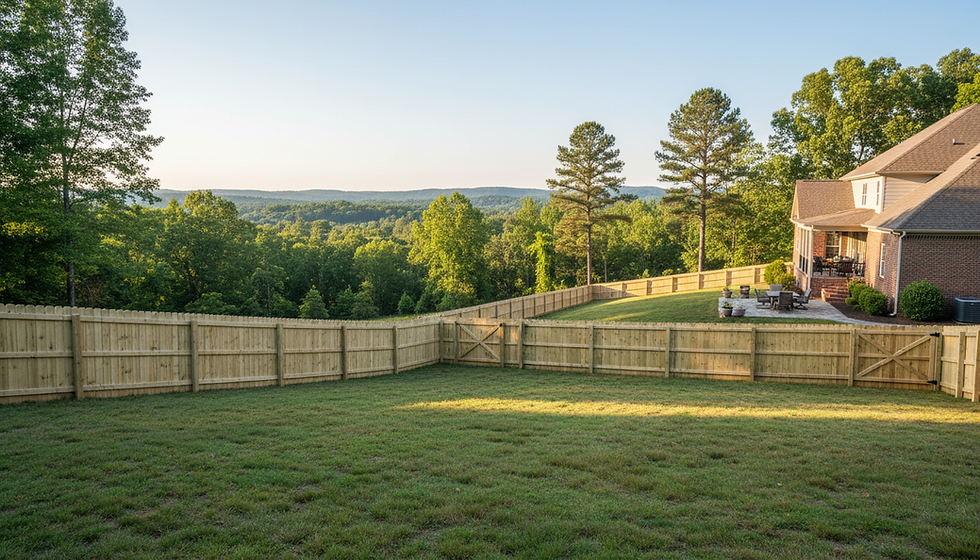
Terrain and Slopes: Uneven ground or hills can increase installation time and require special techniques.
Existing Fences or Structures: Removing old fences or working around sheds, decks, or landscaping affects the project scope.
Access to Work Area: Narrow gates, steep driveways, or limited parking can slow down work and increase costs.
Fence Type and Materials: Different materials have different prices and installation requirements.
Gates and Custom Features: Adding gates, decorative elements, or security features changes the estimate.
Each of these factors impacts the time, materials, and equipment needed, which in turn affects the overall cost.
Factors That Affect the Overall Cost of a Fence
While I won’t give specific prices here, it’s important to understand what drives costs up or down:
Material Choice: Wood, vinyl, aluminum, and chain-link all have different price points and maintenance needs.
Fence Height and Style: Taller fences or those with intricate designs require more materials and labor.
Site Preparation: Clearing brush, leveling ground, or removing old fencing adds to the cost.
Labor Intensity: Difficult terrain or limited access means more time and effort.
Permits and Regulations: Some areas require permits or have HOA rules that affect fence design and installation.
Additional Features: Gates, locks, and hardware add to the price.
Knowing these factors helps you understand why estimates can vary even for similar fences.
Why Two Estimates May Differ for the Same Fence Type
If you get two estimates for what seems like the same fence, don’t be surprised if the prices differ. Here’s why:
Different Materials or Brands: One contractor might use a higher-grade wood or a thicker vinyl.
Installation Methods: Some contractors dig deeper post holes or use concrete footings, which adds durability but costs more.
Scope of Work: One estimate might include fence removal, cleanup, or gate installation, while another does not.
Experience and Warranty: More experienced contractors may charge more but offer better workmanship and warranties.
Overhead and Business Size: Smaller companies might have lower overhead, affecting pricing.
Always ask contractors to explain what’s included in their estimate to compare apples to apples.
Common Fencing Options and Their Uses
Choosing the right fence depends on your needs. Here are common options we install in Upstate South Carolina:
Wood Fencing: Classic look, great for privacy and aesthetics. Requires maintenance but offers natural beauty.
Vinyl Fencing: Low maintenance, durable, and available in many styles. Ideal for homeowners wanting a clean look without upkeep.
Aluminum Fencing: Strong and decorative, often used for security and pool enclosures.
Chain-Link Fencing: Cost-effective and practical for commercial properties, pet containment, or security.
Privacy Fencing: Usually wood or vinyl, designed to block views and noise, perfect for residential backyards or commercial boundaries.
Residential vs. Commercial Fencing: Residential fences focus on privacy and curb appeal, while commercial fences prioritize security and durability.
Each type has pros and cons, so discussing your goals with your contractor helps find the best fit.

What to Have Ready Before Requesting an Estimate
Preparing before you call a fencing contractor saves time and helps get an accurate estimate:
Property Details: Know your property lines or have a recent survey.
Fence Purpose: Define if you want privacy, security, decoration, or pet containment.
Preferred Materials and Style: Have an idea of what you like or ask for recommendations.
Budget Range: Knowing your budget helps contractors tailor options.
Timeline: When do you want the fence installed?
Photos or Examples: Pictures of fences you like can clarify your vision.
Being prepared makes the process smoother and the estimate more precise.
Questions to Ask Your Fencing Contractor
Before hiring, ask these questions to ensure you choose the right contractor:
Are you licensed and insured in South Carolina?
Can you provide references or examples of past work?
What is included in the estimate? (materials, labor, cleanup, permits)
How long will the installation take?
What warranty do you offer on materials and workmanship?
How do you handle unexpected issues during installation?
Will you handle permits or HOA approvals if needed?
Clear communication upfront prevents surprises later.
What to Look for When Comparing Estimates
When you receive multiple estimates, compare them carefully:
Detailed Breakdown: Look for line items covering materials, labor, removal, cleanup, and extras.
Material Quality: Check brands, grades, and specifications.
Scope of Work: Confirm what is included and what might cost extra.
Timeline: Compare how long each contractor expects the job to take.
Warranty and Guarantees: Longer warranties often reflect confidence in quality.
Payment Terms: Understand deposits, progress payments, and final payment.
Choosing the lowest price isn’t always best. Consider value, reputation, and completeness.
Understanding What’s Included in the Proposal
Fence installation involves more than just putting up posts and panels. A good proposal should specify:
Removal of existing fences or debris
Digging and setting posts (including concrete if used)
Installation of gates and hardware
Cleanup and disposal of waste
Any landscaping repairs or adjustments
Permits or inspections if required
Knowing exactly what you’re paying for helps avoid hidden fees or incomplete work.
Common Installation Challenges in Upstate South Carolina
Our region has unique conditions that can affect fence projects:
Uneven Terrain and Slopes: Many properties have hills or uneven ground requiring custom solutions.
Property Lines: Confirming boundaries is critical to avoid disputes.
Existing Landscaping: Trees, shrubs, and flower beds may need protection or relocation.
Access to Work Area: Narrow driveways or limited parking can slow down equipment delivery.
Existing Structures: Working around decks, pools, or sheds requires careful planning.
Experienced local contractors know how to handle these challenges efficiently.
Getting a fence installed is a significant investment in your property. Understanding the estimate process and what affects costs helps you make smart choices. At Fence Plus LLC, we pride ourselves on clear communication, quality work, and serving Upstate South Carolina with honesty and expertise. When you’re ready, reach out for a site visit and a detailed, no-obligation estimate tailored to your needs.
Your next step is to gather your property information and contact a trusted local fencing contractor who can guide you through the process with confidence. A well-planned fence adds value, security, and beauty to your home or business for years to come.


Comments